
Tiny Homes Affordable, sustainable, and community-focused housing solutions for a changing world
What Are Tiny Homes?
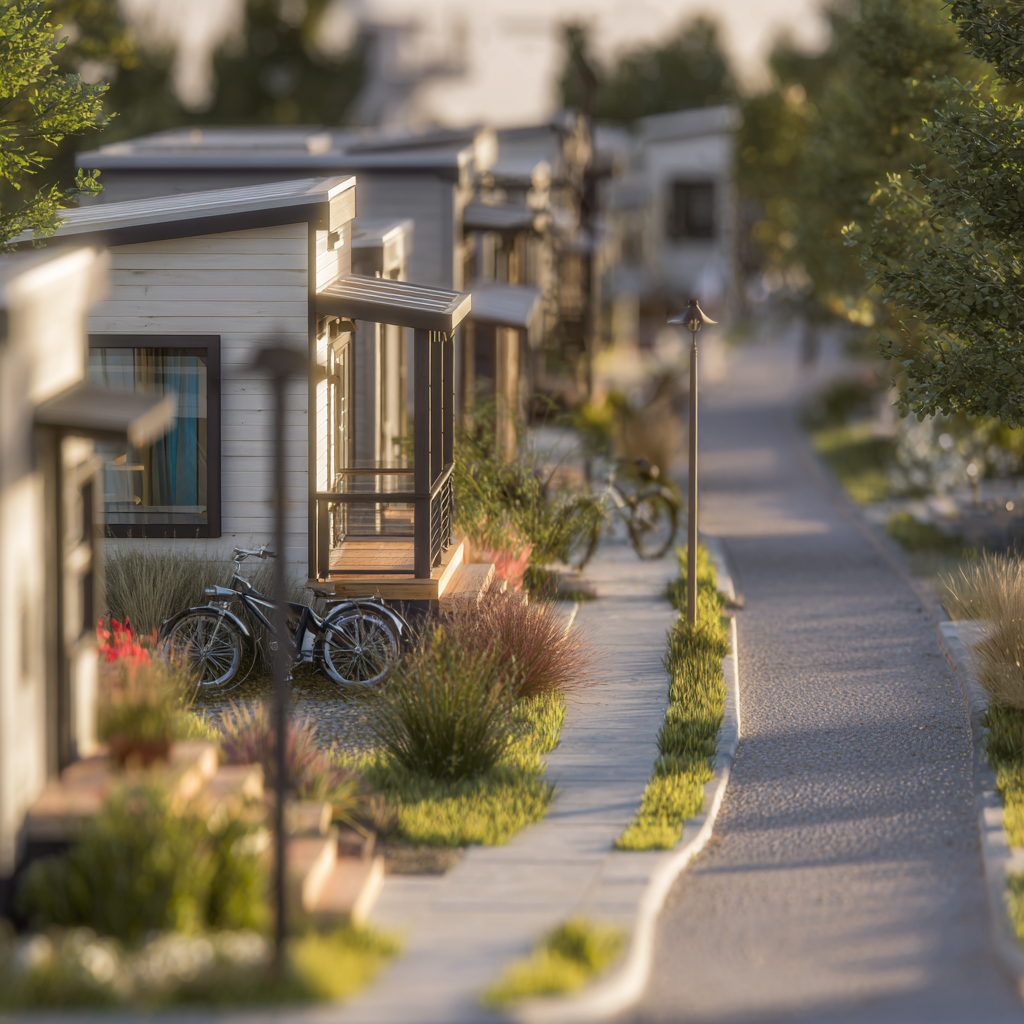
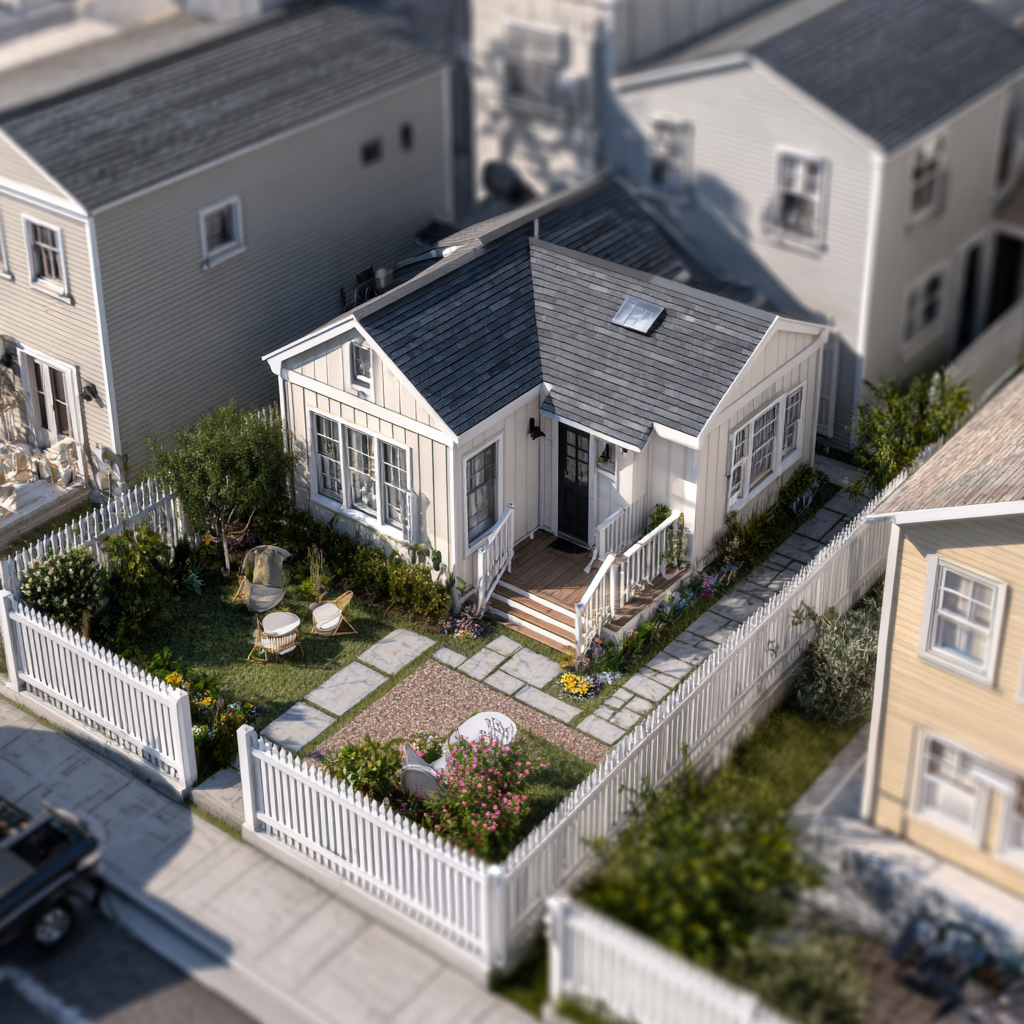
Tiny homes are compact, fully functional living spaces—typically under 500 square feet—designed to maximize efficiency, comfort, and sustainability. Despite their smaller footprint, tiny homes often include kitchens, bathrooms, sleeping areas, and modern amenities.
Tiny homes can be built on permanent foundations or on wheels and are increasingly used as long-term housing, transitional housing, and supportive housing solutions.
Why Tiny Homes Matter
Communities across the country are facing a growing housing affordability crisis. Rising rents, limited housing supply, and stagnant wages have left many individuals and families without stable housing. Tiny homes offer a practical and compassionate response.
- Affordability: Lower construction and utility costs make homeownership and housing access more attainable.
- Speed to Build: Tiny homes can be constructed faster than traditional housing.
- Efficient Land Use: They allow communities to maximize available land responsibly.
- Pathway to Stability: Tiny homes provide dignity, privacy, and safety for residents.
Environmental Benefits
Tiny homes are compact, fully functional living spaces—typically under 500 square feet—designed to maximize efficiency, comfort, and sustainability. Despite their smaller footprint, tiny homes often include kitchens, bathrooms, sleeping areas, and modern amenities.
Tiny homes can be built on permanent foundations or on wheels and are increasingly used as long-term housing, transitional housing, and supportive housing solutions.
Tiny Homes & Community Solutions
Tiny home communities are increasingly being used to address homelessness and housing insecurity. When paired with supportive services such as job training, mental health care, and case management, tiny homes can help individuals transition to long-term stability.These communities foster connection, accountability, and neighborhood pride while maintaining safety and respect for surrounding areas
Challenges & Considerations

While tiny homes offer many benefits, thoughtful planning is essential. Zoning laws, infrastructure access, community input, and long-term maintenance must be addressed to ensure successful implementation. Collaboration among local governments, nonprofits, developers, and residents is key to creating effective, lasting solutions. Tiny homes are more than just housing—they represent opportunity, dignity, and hope.
You can support tiny home initiatives by advocating for policy change, educating your community, and partnering with organizations working to expand affordable housing solutions. Together, we can build smarter, kinder, and more sustainable communities. Please complete the survey to start the process of getting your voice heard—your input matters